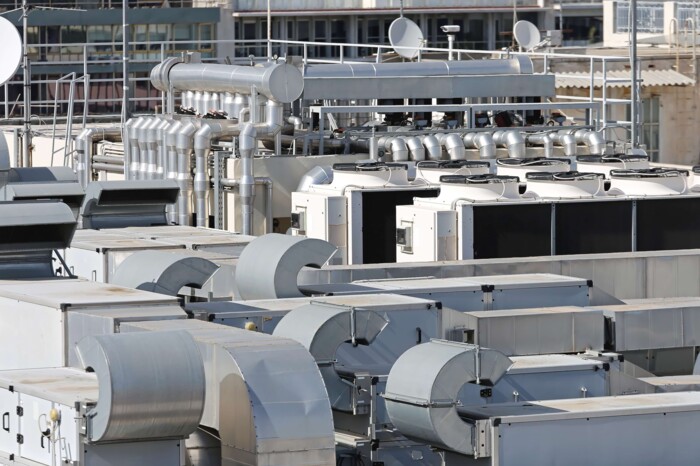
Heat recovery system

Heat recovery for industrial processes - efficient utilisation of waste heat

In almost every system, temperature levels are generated that can be utilised sensibly - instead of being released unused into the environment via cooling towers, recoolers or chimneys. Professional heat recovery utilises this previously lost energy, permanently lowers heating and process energy costs and reduces your primary energy requirements.

Refolution always considers heat recovery in the overall system: we connect refrigeration systems, process heat and ventilation specifically with heat users - such as for heating, hot water, steam preheating or low-temperature process heat - and thus increase the overall efficiency of your system.
What is heat recovery?

Heat recovery is the technical utilisation of waste heat from processes, refrigeration systems or ventilation systems to supply other consumers with heat. The available heat energy is brought to a suitable temperature level and used for heating purposes, hot water or process heat instead of being dissipated unused. It is crucial to understand waste heat sources, temperature levels and load profiles: A system that is both technically robust and economically attractive can only be created if the source and sink are a sensible match - with support from a heat pump or storage tank if required.

<p

Sources of industrial waste heat

In practice, various waste heat sources are available in almost all industries. Refrigeration systems and chillers continuously supply condenser heat, for example from NH₃, CO₂ or air-based refrigeration systems in production and deep-freezing. There is also waste heat from processes and machines, such as compressors, hydraulic systems, oil coolers or cooling water circuits. Thermal processes such as ovens or dryers generate further waste heat in the form of hot exhaust gases. In addition, ventilation and air conditioning systems in production areas, halls or technical rooms often provide considerable amounts of heat in the exhaust air. Refolution systematically analyses these sources and assesses which quantities of heat can be tapped in a technically and economically sensible way.

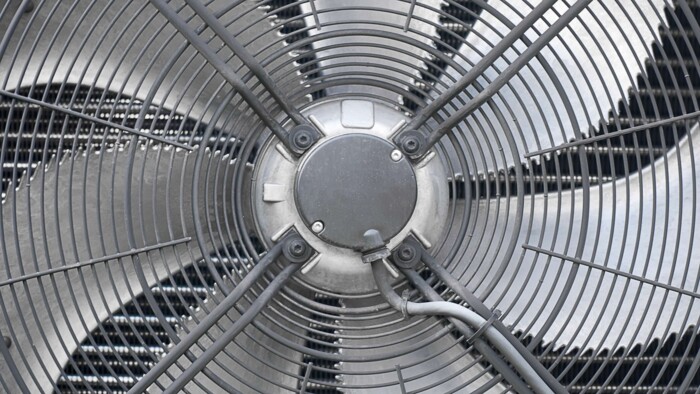
Fan
Fan

Technologies for heat recovery

Depending on the temperature level, different technologies are combined for heat recovery. Heat exchangers often form the basis, as they transfer heat efficiently between water, air or process media; Refolution selects suitable designs with high operational reliability and good maintenance accessibility.
If the temperature level of the waste heat is not sufficient, heat pumps raise the temperature to a usable level for heating or process heat. In conjunction with combined heat and cooling and suitable heat storage systems, this creates a flexible, highly efficient energy system that makes optimum use of waste heat.

Outdoor unit of a split air conditioning system

Efficiency, CO₂ reduction and security of supply

Sophisticated heat recovery offers companies several advantages at the same time. Utilising waste heat reduces the need for additional energy for heating and processes, significantly reducing the use of gas, oil or additional electrical heating. This leads to permanently lower energy and fuel costs and improves the economic efficiency of operations. Because waste heat replaces conventionally generated heat, CO₂ emissions are also noticeably reduced. This makes heat recovery a direct lever for your carbon footprint and supports you in achieving sustainability and ESG targets. At the same time, the overall efficiency of your cooling and heating systems increases, as the energy used once is utilised multiple times. This increase in efficiency not only has a positive effect on operating costs, but also improves the energy rating of your systems. In addition, professional heat recovery increases the predictability of the energy supply and reduces dependence on volatile fuel prices and increasingly strict legal requirements for waste heat utilisation, such as the Energy Efficiency Act. Refolution designs heat recovery solutions in such a way that efficiency gains, investment costs and operational reliability are in a sensible balance and your process requirements are reliably met.</p

Applications in industry and building technology

Heat recovery is an important lever in many industries, for example in the chemical, pharmaceutical, biotech, food and beverage, metal processing, paper and pulp industries as well as in building technology and logistics. Waste heat from processes, refrigeration, cooling and ventilation systems is utilised for heating, hot water, media heating or reactor temperature control.
Refolution does not consider individual components, but always the entire energy system. Cooling, heating, ventilation and, if necessary, steam supply are analysed and optimised together to create reliably functioning solutions that pay off economically and ecologically in the long term.

Air conditioning
Air conditioning

Planning heat recovery with Refolution

From the initial idea to the optimised system, Refolution supports you in all phases of a heat recovery project. It starts with a detailed analysis of your existing systems. Waste heat sources, load profiles, temperature levels and the existing cooling and heating technology are recorded and evaluated. Based on this, Refolution develops concept and profitability studies in which potential savings, possible CO₂ reductions, amortisation times and any funding opportunities are presented transparently.</p

In the subsequent design and planning phase, specific solutions are developed: Heat exchangers, heat pumps, storage tanks and control and safety technology are selected and matched to your existing infrastructure. In the next step, the systems are implemented, integrated into your control and safety technology and put into operation. Even after commissioning, Refolution remains at your side if required, providing monitoring support, optimising the control system and assisting with the documentation of savings and the further development of your energy system.

Costs and cost-effectiveness of heat recovery ventilation

The implementation of a ventilation system with heat recovery is associated with certain costs. Nevertheless, the investment is worthwhile in most cases, as considerable savings can be achieved in the long term.</p

Investment costs and operating costs:
The investment costs for a ventilation system with heat recovery vary depending on the size of the building, type of system and additional requirements. It is important to consider the long-term operating costs, which are generally lower than for conventional ventilation systems due to the energy savings.</p

Potential savings and amortisation period:
The savings potential of a ventilation system with heat recovery depends on various factors, such as the thermal insulation standard of the building and the individual conditions of use. However, an amortisation period of a few years can usually be achieved, meaning that the investment pays for itself in the long term.

Future prospects for heat recovery ventilation

Heat recovery in ventilation systems will continue to gain in importance in the future. In view of increasing energy requirements and the need to reduce CO2 emissions, heat recovery offers a sustainable solution.

Technological developments and trends:
The technological developments in the field of heat recovery enable even more efficient utilisation of the available energy. Innovative materials and improved heat exchanger systems are helping to further increase the efficiency of heat recovery.


Boiler room
Boiler room

Political framework conditions and funding opportunities:
Politics play an important role in promoting and supporting heat recovery in ventilation systems. Political framework conditions and funding programmes create incentives to promote the use of energy-efficient solutions and drive forward their implementation.
In view of rising energy prices and the increasing importance of environmental protection, implementing a ventilation system with heat recovery is a sensible investment. Not only does it enable considerable savings on heating costs, it also helps to reduce CO2 emissions and improve indoor air quality. With this technology and political framework conditions, heat recovery in ventilation systems will continue to play a central role in the energy-efficient refurbishment of buildings in the future.

Let's talk about your waste heat potential

If you want to know how much heat remains unused in your processes today and what specific opportunities for heat recovery exist, Refolution is the right partner for you. The engineers at Refolution identify the potential in your systems, combine cooling and heating systems into an efficient overall concept and support you in sustainably reducing energy and CO₂ costs.

Matching products

Matching Services

Information on

Cornelia Schröder
Cornelia Schröder
Assistant to the management