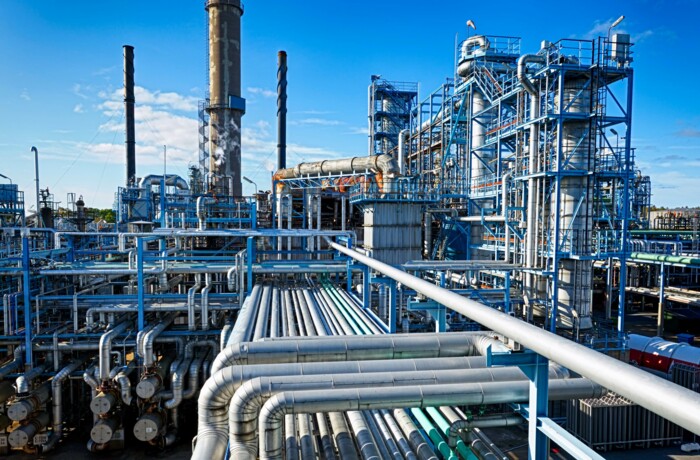
Tray for cleaning exhaust air - inside

Effective exhaust air purification systems

Exhaust air purification is an important process in various industries to remove harmful contaminants from exhaust air. In this article, we will look at the basics of exhaust air purification, consider different types of exhaust air purification systems and examine their applications in various industries.

Basics of exhaust air purification

Exhaust air purification refers to the process of removing harmful contaminants from the exhaust air generated during industrial processes. This serves to improve air quality and reduce negative effects on the environment and human health. Absorptive air pollution control is an important part of many industries, including the chemical industry, metal processing and power generation. By using efficient exhaust air purification systems, companies can control their emissions and ensure compliance with environmental regulations.

What is exhaust air purification?
Exhaust air purification involves the use of various technologies and equipment to remove harmful particles, gases or vapours from exhaust air. This is done by filtering or chemically treating them to reduce their concentration. There are different types of exhaust air purification systems, including separators, filter systems, adsorption systems and catalysers. Each system has its own advantages and disadvantages and is used depending on the type of contaminants and the specific requirements of the industry.

Why exhaust air purification is important
Exhaust air purification is important to reduce harmful emissions and minimise environmental impact. Industrial processes can generate a variety of contaminants that can pollute air, water and soil. These pollutants can be controlled and reduced through the use of air pollution control systems. In addition, exhaust air purification can help to protect the health of employees in industrial plants. Harmful contaminants in the exhaust air can lead to respiratory diseases, allergies and other health problems. By removing these contaminants, the risk of such health effects is minimised.
Exhaust air purification also plays an important role in complying with environmental regulations. Many countries have strict regulations on the emission of pollutants, and companies must ensure that they comply with these regulations to avoid penalties and maintain their reputation as an environmentally conscious company.

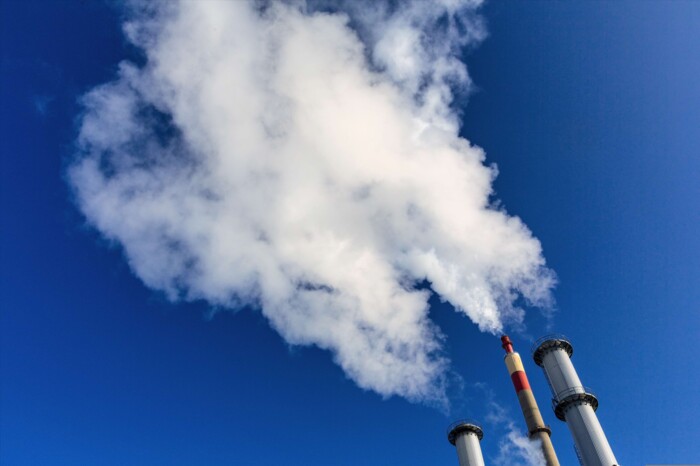
Industrial chimney
Industrial chimney
There are different types of exhaust air purification systems that can be used depending on the type of contamination and the specific requirements of the industry.

Variants for cleaning exhaust air

Filtering:
Activated carbon has a large surface area that can adsorb dissolved particles. The carbon also acts as a reducing agent and can absorb oxidising agents such as ozone and chlorine from the exhaust air and from industrial and waste water. The absorbed substances accumulate in the carbon. Depending on the type of activated carbon, accumulations of ten to around 20 per cent by weight are possible before a breakthrough occurs. Exhausted activated carbon is replaced. The absorbed solids increase the filter resistance and must be removed from the filter bed. The filter can be regenerated by washing, heating or replacing the activated carbon.

Thermal post-combustion:
Thermal post-combustion requires temperatures of up to 900°C and a sufficient dwell time in the combustion chamber. In the simplest case, thermal post-combustion can take place in other operational incineration plants (e.g. boiler houses). Otherwise, the necessary temperature must be generated by additional fuels. The process then becomes very complex and generates additional air pollution. In thermal post-combustion, the exhaust gases are completely converted to water and carbon dioxide except for the foreign elements nitrogen, sulphur and halogens.

Cryo-condensation:
In cryo-condensation, pollutants are condensed from the exhaust gas by cooling the exhaust gas train. The loading of a carrier substance (e.g. nitrogen or air) depends on the temperature and can absorb fewer volatile gases at lower temperatures. During the process, the exhaust air to be cleaned is cooled down to such an extent that the legally prescribed limit values are complied with by condensation of the solvents. The highly volatile, organic components in the exhaust air stream are present as liquid condensate after the process and can either be fed back into the production process, purified, disposed of or sold. The cryo-condensation process is typically used to separate alcohols, alkanes, chlorinated hydrocarbons or aromatics. Cryo-condensation offers an efficient and sustainable solution for economical exhaust air purification.


Physical exhaust air purification systems:
Physical exhaust air purification systems use physical processes such as filtration, absorption or adsorption to remove contaminants from the exhaust air. These technologies can be effective in removing particles and suspended solids.
An example of a physical air purification system is a dust filter. This filter consists of different layers that capture the particles in the exhaust air. Filtering cleans the exhaust air and removes harmful substances.
In addition to filtering, physical exhaust air purification systems can also utilise absorption or adsorption processes. In absorption, the contaminants are taken up by an absorbent material, while in adsorption, the contaminants adhere to the surface of an adsorbent material.

Chemical exhaust air purification systems:
Chemical exhaust air purification systems use chemical reactions to neutralise or convert harmful gases or vapours in the exhaust air. This is often achieved through the use of chemicals or catalysts.
An example of a chemical air purification system is a scrubber system. This system uses a liquid that is brought into contact with the harmful gases or vapours. Chemical reactions neutralise the contaminants and the purified exhaust air is released.
Catalysts are also an important component of chemical exhaust air purification systems. They accelerate the chemical reactions and enable more efficient conversion of the harmful compounds.

Biological exhaust air purification systems:
Biological exhaust air purification systems for biological processes such as microorganisms or plants to break down or utilise harmful contaminants in the exhaust air can be particularly effective in the treatment of organic compounds.
An example of a biological exhaust air purification system is a biofilter system. In this system, the harmful impurities are broken down by microorganisms. The exhaust air is channelled through a filter filled with a mixture of organic material and microorganisms. The microorganisms break down the contaminants and convert them into harmless substances.
In addition to biofilter systems, plants can also be used to clean the exhaust air. Plants have the ability to absorb harmful substances and convert them into oxygen. This process, known as phytoremediation, can be an effective and sustainable method of exhaust air purification in certain cases.

Application of exhaust air purification systems in various industries

Abluftreinigungsanlagen finden in verschiedenen Industrien Anwendung, um den Abbau von Schadstoffen zu unterstützen und die Einhaltung von Umweltvorschriften zu gewährleisten.

Exhaust air purification in the food industry

Exhaust air purification systems are used in the food industry to remove odours and vapours that can arise during cooking or roasting. This helps to improve the air quality in production facilities and protects employees from harmful vapours. One example of the use of exhaust air purification systems in the food industry is the processing of coffee beans. During the roasting process, various volatile organic compounds are produced that can cause unpleasant odours. By using exhaust air purification systems, these odours can be effectively removed to create a pleasant working environment for employees. In addition, exhaust air purification systems are also used in baking ovens to extract and purify the vapours generated during the production of baked goods. This helps to improve the air quality in bakehouses and ensures compliance with hygiene regulations.

Factory premises
Factory premises

Exhaust air purification in the chemical industry

The chemical industry often produces harmful gases or vapours that can be released into the air. Air pollution control systems play an important role in capturing and cleaning these contaminants to prevent air pollution and ensure the safety of employees.
Air pollution control systems are used in chemical production plants to separate hazardous chemical compounds from the exhaust air. This is particularly important to reduce environmental pollution and protect the health of employees. By using specialised filters and separators, harmful substances can be efficiently removed.
In addition to cleaning the exhaust air, exhaust air purification systems are often used in the chemical industry to optimise energy consumption. By using heat recovery systems, the heat energy contained in the exhaust air can be recovered and used for other processes in the production plant.


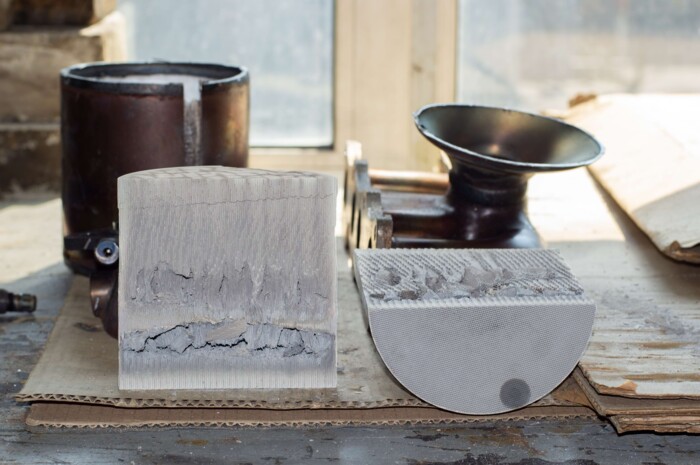
Loaded exhaust air filter

Exhaust air purification in the metalworking industry


In the metalworking industry, harmful particles or gases are often released during the processing of metals. Exhaust air purification systems are used to remove these contaminants and improve air quality.
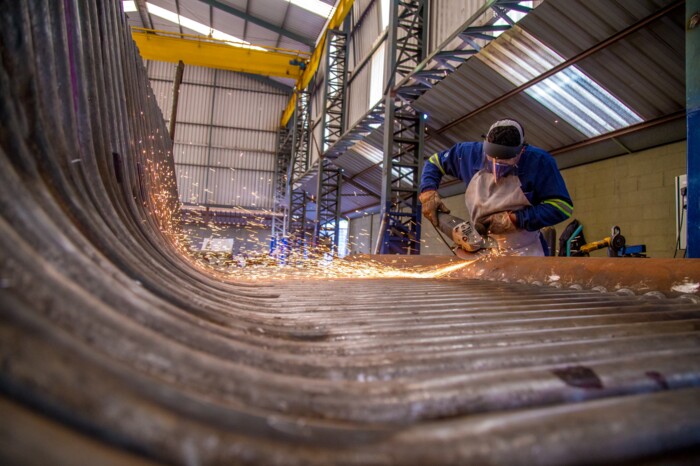
One example of the use of exhaust air purification systems in the metalworking industry is welding technology. Welding produces harmful welding fumes that can be hazardous to health. By using exhaust air purification systems, these welding fumes can be extracted and cleaned to protect the health of employees.
Exhaust air purification systems are also used in the surface treatment of metals. The use of chemical coatings or solvents can produce harmful vapours that can be removed by exhaust air purification systems. This helps to improve air quality in production facilities and ensures compliance with environmental regulations.

Metalwork
Metalwork

Here you will find suitable products for your exhaust air purification

Our services

Information on

Cornelia Schröder
Cornelia Schröder
Assistant to the management