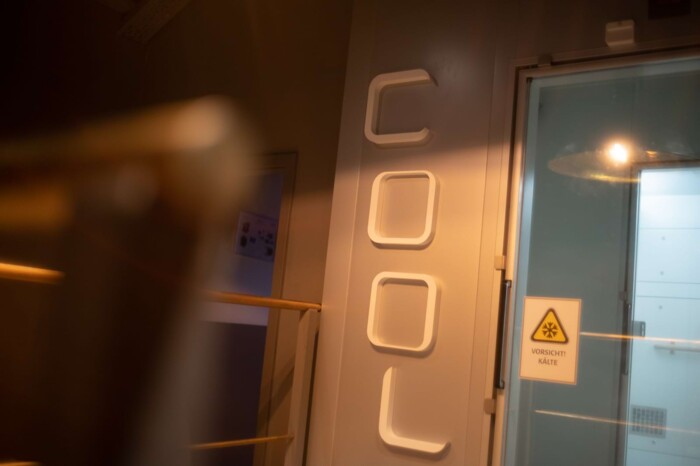
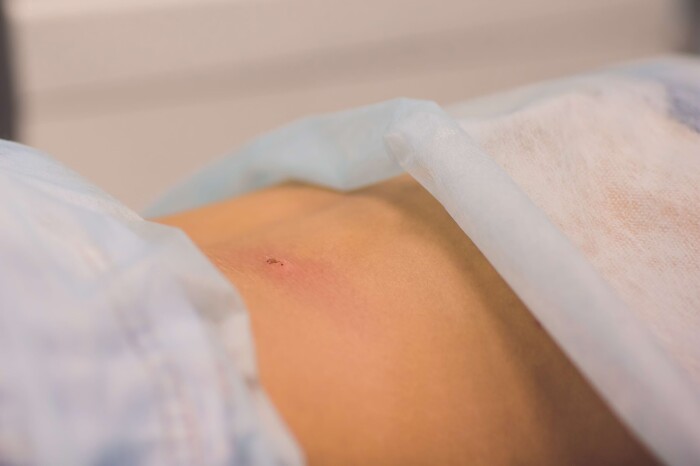
A person comes to the cold chamber

Your cryotherapy application

What is cryotherapy?

Cryotherapy is a treatment method in which the body is exposed to extreme temperatures in order to achieve a therapeutic effect. These temperatures can reach as low as -160 degrees Celsius. The cold chamber is the place where cryotherapy is carried out. Here, the whole body or certain parts of the body are treated with cold air for a short period of time.

The science behind cryotherapy

The effect of cryotherapy is based on the body's reaction to the extreme cold. When entering the cold chamber, the body reacts to the low temperatures by constricting its blood vessels in order to retain the heat at the core of the body. This process is known as vasoconstriction. After the body has left the cold chamber, the blood vessels dilate again to promote blood circulation. This process is known as vasodilation. The rapid interaction between vasoconstriction and vasodilation stimulates blood flow and can help to reduce inflammation, relieve pain and promote regeneration. Cryotherapy also has an effect on the metabolism. The cold stimulates the metabolism, which can lead to increased calorie burning. This can be beneficial for people who want to lose weight. Cold treatment is also used in sports medicine. Another interesting aspect of cryotherapy is its potential effect on the skin. The cold can stimulate the production of collagen and elastin, which can lead to firmer and younger-looking skin.

Different types of cryotherapy

There are different types of therapy that can be chosen depending on the needs and goals of the individual. In addition to whole-body cryotherapy, which is carried out in cold chambers, there are cryotherapies in which a targeted application of cold is used to affect specific areas of the body.
An example of localised cryotherapy is the application of cold packs or cryogenic devices to inflamed joints or muscles. This type of cryotherapy can be used effectively to relieve pain and reduce inflammation.
Choosing the right cryotherapy method depends on the individual's symptoms and the purpose of the treatment. It is important to speak to a specialist to determine the most appropriate method.
It is also worth noting that cold treatment is not suitable for everyone. People with certain health conditions such as cardiovascular disease, Raynaud's syndrome or cold allergies should speak to their doctor before undergoing cryotherapy. Many people find cryotherapy pleasant as it provides an instant refreshment and a feeling of relaxation. However, it is important to note that the cold during the treatment can be very intense and some people may experience some discomfort.
Overall, cryotherapy can be a promising treatment method that offers a variety of health benefits. However, it is important that it is carried out under expert guidance to minimise potential risks and achieve the best possible results.

Cryotherapy capsule
Cryotherapy capsule

The role of cryotherapy

The cold chamber is a key component of cryotherapy. It provides a controlled environment for the application of extreme cold stimuli to the whole body.</p

Function and benefits of the cold chamber:

In a cold chamber, cold, dry air is used to quickly cool the body. The brief but intense exposure to cold promotes blood circulation and stimulates the release of endorphins, the body's own painkillers. The localised application of cold can therefore relieve pain. The cold chamber can be used for various health problems and complaints. It can help to reduce inflammation, alleviate pain, support regeneration after injuries and improve general well-being.

<p

Safety measures and precautions when using the cold chamber:

Although cryotherapy is safe, there are certain risks and precautions that should be considered when entering a cold chamber. For example, the treatment should not last longer than the recommended duration and people with certain health conditions should speak to their doctor beforehand. In addition, users should provide all relevant health information to the cold chamber staff to minimise any adverse effects. All of these precautions are designed to ensure the safety and effectiveness of cryotherapy.

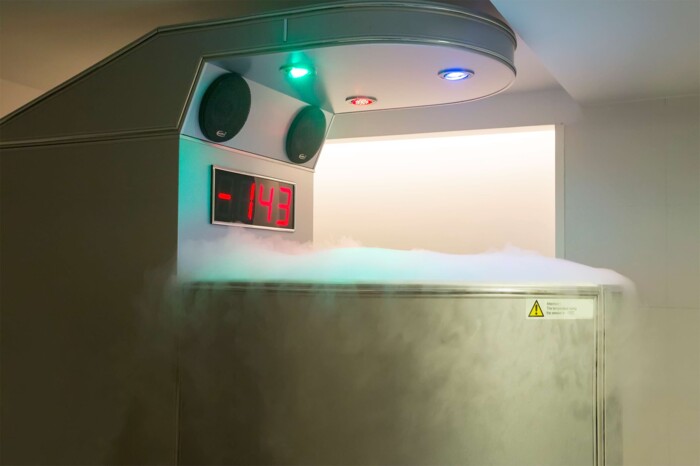
What are cold chambers

Cold chambers are specially designed rooms in which the entire body is exposed to extremely low temperatures for a short period of time. These temperatures can reach as low as -140 degrees Celsius.

How cold chambers work:

In a cold chamber, the body is clothed in special clothing to protect the skin from frostbite. By staying in the chamber, the metabolism is stimulated, inflammation is reduced and blood circulation is improved.

Applications and benefits of cold chambers:

<p

Cold chambers are particularly popular with athletes, as they can help with recovery after intensive training or improve athletic performance. They can also help people with chronic pain, autoimmune diseases and skin problems. In addition, the cold shock is considered to stimulate the immune system.

Cold chamber
Cold chamber

Cold therapy and its applications

Cold therapy is a tried and tested treatment method that is used in many areas. It has found its place in both medicine and sport.</p

Medical applications of cold therapy:

In medicine, cold therapy is used to treat inflammation, pain and injuries. It can be an alternative to drug therapies and can help with various conditions such as arthritis, muscle strains, rheumatism and fibromyalgia.
Cold therapy can also be used to support rehabilitation processes after operations or injuries. By reducing inflammation and pain, recovery can be accelerated.</p

Sports applications of cold therapy:

In the sports sector, cold therapy is often used by athletes for regeneration and to relieve sore muscles. The application of cold stimuli can reduce inflammation and speed up recovery after strenuous training sessions or competitions. Cryotherapy can also improve performance by optimising muscle function and promoting blood circulation. It offers athletes the opportunity to regenerate faster and better.

Differences and similarities between cryotherapy and cold therapy

Although the terms cryotherapy and cold therapy are often used interchangeably, there are still differences between the two treatment methods.

Comparison of treatment methods:

Cryotherapy involves the application of extreme cold stimuli to the entire body or specific areas of the body. Cold therapy, on the other hand, refers to the targeted application of cold stimuli to localised inflammation or injuries.
While cryotherapy is carried out in special cold chambers, cold therapy can also be carried out at home using special cold packs or cryogenic devices. Both treatment methods have their full potential in terms of pain relief, inflammation reduction and regeneration.

Choosing the right therapy for your needs:

<p

The choice between cryotherapy and cold therapy depends on individual needs and goals. It is important to weigh up the pros and cons of each treatment method and seek advice from a specialist if necessary.
Cryotherapy in cold chambers can offer faster and more effective treatment, especially for whole-body applications. Cold therapy, on the other hand, offers the flexibility of home application and can be ideal for treating localised conditions.

Targeted cold therapy for inflammation

Refrigeration chambers and their different types

There are different types of cold chambers, each with their own specific features and applications.

Stationary cold chambers:

Stationary cold chambers are fixed facilities specifically designed for cryotherapy. They provide a controlled environment for the application of extreme cold stimuli to the whole body. This type of cold chamber is often used in clinics, wellness centres and medical facilities.</p

Mobile cold chambers:

Mobile cold chambers are portable units that allow cryotherapy to be carried out in different locations. They are often used by sports teams, fitness centres or wellness events. Mobile cold chambers offer flexibility and allow users to perform cryotherapy in the comfort of their desired location.
Overall, cryotherapy with cold chambers offers a promising therapy option for various health problems. Whether to relieve pain, reduce inflammation or improve regeneration, the cold chamber can offer an effective and innovative solution for health. However, it is important that cryotherapy is always carried out under expert supervision and is tailored to the individual's needs.</p

Safety aspects and risks

As with any medical treatment, there are safety aspects and risks associated with cryotherapy, cold therapy and cold chambers that must be taken into account.

Possible side effects and risks of cryotherapy:

In some cases, skin irritation, frostbite or allergic reactions may occur. It is important that the treatment is carried out by qualified personnel and that all safety precautions are observed.

Safety measures when using cold chambers:

<p

When using cold chambers, it is important to adhere to the maximum recommended treatment time to minimise the risk of frostbite and other side effects. Monitoring the cold level and proper maintenance of the cold chamber are also crucial.

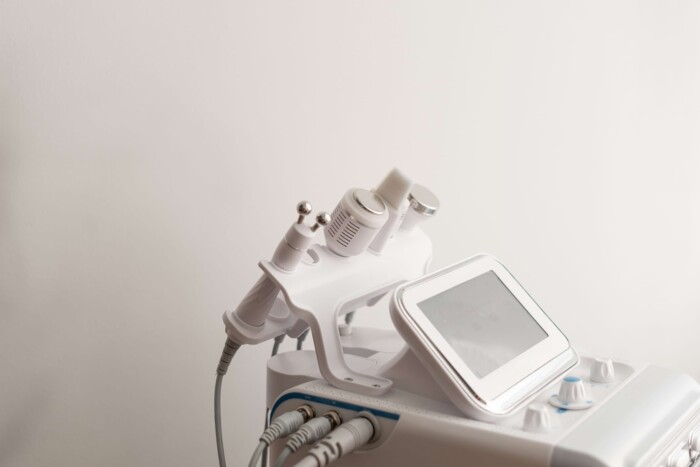
Cryotherapy device
Cryotherapy device

Conclusion: cryotherapy, cold therapy and cold chambers

To summarise, cryotherapy, cold therapy and cold chambers offer a promising alternative treatment method for various health problems. The targeted application of cold can alleviate inflammation, reduce pain and promote regeneration. However, it is important to consider the safety aspects and consult qualified specialists.</p

Outlook for future developments and research:

Research in the field of cryotherapy, cold therapy and cold chambers is still relatively new, and there is still a lot of potential for further developments. Future studies aim to demonstrate further applications and benefits and further improve the safety of the treatment methods.

<p

Here you will find suitable products for the realisation of your whole-body coldroom

Our services

Here you will find suitable technical information on whole-body cold chambers

Cornelia Schröder
Cornelia Schröder
Assistant to the management