Cold shrinking of metal

How cold shrinking works

Cold shrinking is a process that is widely used in various industries and offers numerous benefits. In this article, we will take a closer look at cold shrinking and look at its basic principles, areas of application, tools and equipment, case studies and the future and development of this technology.

Definition and basic principles of cold shrinking

Before we delve deeper into cold shrinking, it is important to understand what exactly this process means. Cold shrinking refers to the use of shrink sleeves or sleeves to secure and protect the joints of cables, pipes or other components.
Basically, cold shrinking consists of placing a metal or plastic shrink sleeve over the joint. By applying heat or pressure, the sleeve contracts and forms a firm and watertight connection. The basic principle of cold shrinking is based on the shrinking behaviour of the plastic material, which ensures a tight and secure connection.

Application examples for cold shrinking

Cold shrinking has found application in various industries. There are numerous case studies and application examples that emphasise the effectiveness of this process.</p

Cold shrinking in the automotive industry:

Cold shrinking is often used in the automotive industry to join cables and seal electrical connections. The cold-shrinkable sleeves offer a quick and effective way to seal and protect connections safely and reliably.

Cold shrink in the electronics industry:

<p

Cold shrinking has also proven to be a reliable method of sealing and protecting electrical connections in the electronics industry. Cold shrinking offers an effective solution, particularly for sensitive electronic components such as sensors or control units.

Cold shrinking of metal

The process of cold shrinking

To perform cold shrinking successfully, certain materials and steps are required.
Cold shrinking is a process used to join cables, pipes or other components. It offers a simple and effective way to create a strong and permanent connection without the need for heat or special tools.</p

Steps in the cold shrink process:

First, the shrink sleeve is slid over the joint.
Then either heat or pressure is applied to the sleeve, depending on the properties of the material used.
The sleeve contracts and forms a strong and permanent joint.
The cold shrink process is quick and easy to perform. No special tools or expertise are required. The shrink sleeve can simply be slid over the joint and then contracts by itself as soon as it comes into contact with heat or pressure.
In certain applications, an insulating layer or an additional protective sleeve can also be used to further strengthen and protect the joint. These protective measures can help ensure that the joint retains its integrity even under extreme conditions such as high temperatures or aggressive chemicals.

Cold shrinking of porous material

Tools and equipment for cold shrinking

Some basic tools and equipment are required to carry out cold shrinking. Cold shrinking is a method of sealing and insulating cable connections. It is often used in the electrical and telecommunications industries to ensure a reliable and durable connection. With this technique, a shrink sleeve is pushed over the cables to be connected. When heated, the sleeve shrinks and forms a tight connection around the cables, protecting them from moisture, dirt and other external influences. Basic tools and equipment for cold shrinking include a hot air gun, a wire stripper, a cutting tool and a tape measure. These tools make it possible to fit the shrink sleeve correctly and ensure the connection.
The hot air gun is used to heat the shrink sleeve and shrink it. It generates hot air streams that heat the sleeve evenly and create a tight connection around the cables. The wire stripper is a tool that is used to cut off the insulation of the cables. It makes it possible to expose the cables in order to fit the shrink sleeve correctly. The cutting tool is used to cut the cables to the correct length. It is important to cut the cables to the correct length in order to make a proper connection. The tape measure is a useful tool to measure the length of the cables. It ensures an accurate and precise measurement to select the correct size of the shrink sleeve.

Areas of application and advantages of cold shrinking

Cold shrinking is used in various sectors, including telecommunications, energy technology, the automotive industry and the electronics industry. This technology is ideal for joining cables, sealing pipes and protecting components from moisture and other environmental influences.
The advantages of cold shrinking include its ease of use. It requires no special tools or expertise and can be carried out in a short time. The connections are durable, waterproof and resistant to vibrations and mechanical stress.
However, cold shrinking offers even more advantages. The use of shrink sleeves or sleeves improves the strain relief, which increases the service life of the connection. In addition, the shrink sleeves can be adapted to different diameters, which enables flexible application.
In the telecommunications industry, cold shrinking is often used to connect fibre optic cables. By using cold shrink sleeves, the sensitive fibre optic cables are protected from moisture and other environmental influences, resulting in improved signal quality and a longer service life for the cables.
In energy technology, cold shrink sleeves are used to insulate power cables. The shrink sleeves offer reliable protection against moisture and ensure a secure and durable connection of the cables.
Cold shrink-fitting is also used in the automotive industry. It is used to seal pipework and protect electronic components. The shrink sleeves provide effective protection against moisture, dirt and vibrations, resulting in improved performance and a longer service life for the components.

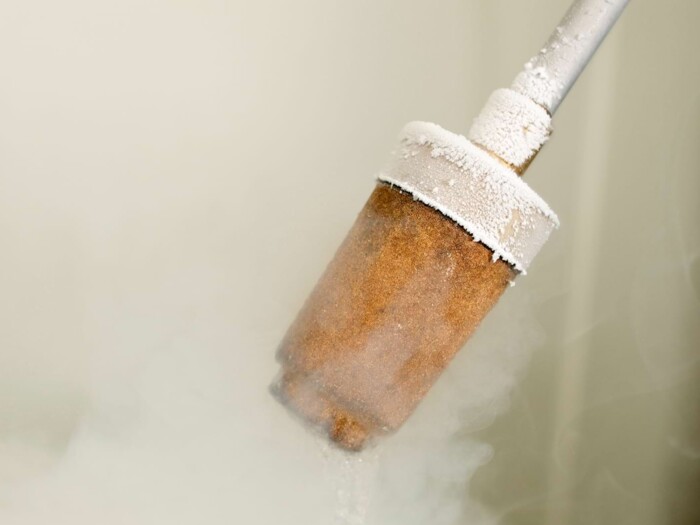
To summarise, cold shrinking is a versatile technology that is used in various industries. It offers easy handling, long-lasting connections and effective protection against moisture and other environmental influences. Cold shrinking can be used to join cables, pipes and components safely and reliably.

You can find suitable products here

Our services

Information on

Cornelia Schröder
Cornelia Schröder
Assistant to the management