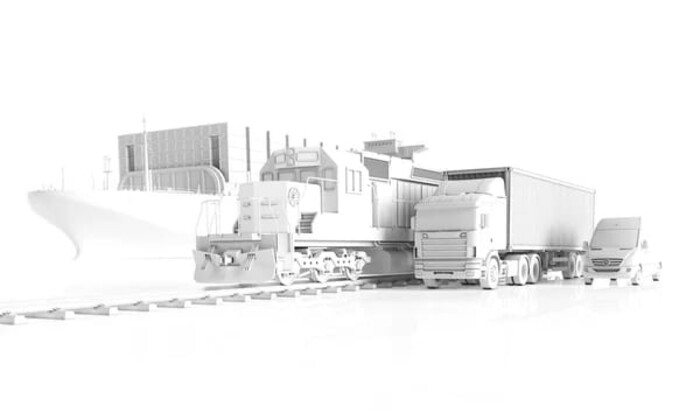
3D model of loading vials into a cardboard box for transport

Pharma Transport

How is pharmaceutical transport carried out safely and efficiently?

Pharmaceutical transport is a crucial part of the supply chain in the pharmaceutical industry. The safe and efficient transport of medicines is of great importance as it ensures the integrity and efficacy of the products. In this article, we will look at the challenges of pharma transport and examine some best practices and technological innovations that can improve this process.

The importance of safe and efficient pharmaceutical logistics

The safe transport of medicines plays a crucial role in maintaining patient safety. Many medicines require a set temperature to ensure their stability and efficacy. Incorrect transport can lead to compromised efficacy and put patients' lives at risk. Efficiency is another important aspect of pharmaceutical transport. Fast and reliable deliveries enable patients to receive their medication on time. This is particularly important for vital medicines, where delays can have serious consequences. Efficient transport routes and methods can minimise bottlenecks and delays.</p

Why is the safe transport of medicines important?
The safe transport of medicines is crucial to ensure that the correct dosage and quality are maintained. Temperature fluctuations during transport can reduce the effectiveness of medicines or even increase their side effects. By introducing qualified temperature controls, these risks can be minimised. In addition to temperature control, the packaging and labelling of medicines is also of great importance. The packaging must ensure that the products are protected from external influences such as moisture, light and shocks. Labelling must be clear and correct to enable clear identification and traceability of the medicines throughout the transport process.</p

How efficiency can improve pharmaceutical logistics:
More efficient handling of pharmaceutical transport offers numerous advantages. By optimising transport routes and methods, costs can be reduced and delivery times shortened. Efficient processes also allow pharmaceutical companies to better manage their stock levels and minimise waste. In addition, transport efficiency can help to avoid supply bottlenecks and ensure a continuous supply of medicines. This is particularly important to counteract shortages of vital medicines and ensure that patients have access to the medicines they need.

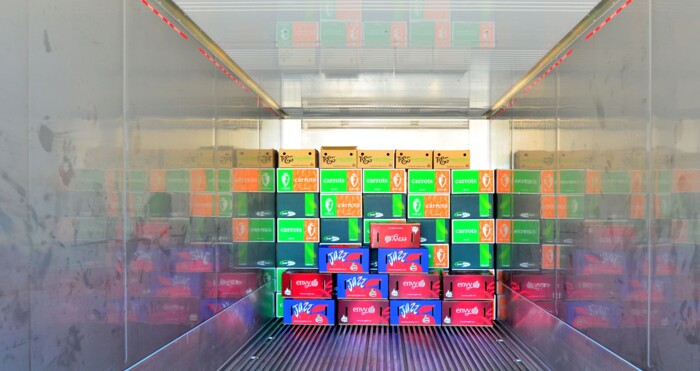
The challenges of pharmaceutical transport

Pharmaceutical transport poses a number of challenges due to its special requirements. One of the biggest challenges is temperature control and monitoring during transport.

Temperature control and monitoring:
In the pharmaceutical industry and its logistics of temperature-sensitive products, it is extremely important to control and monitor temperatures during transport. The use of special cooling devices, thermometers and data loggers makes it possible to ensure temperature stability during transport.
It is also important that the transport vehicle has the necessary cooling or heating systems to maintain a constant temperature. Temperature monitoring should be carried out continuously to detect and correct any deviations before they can lead to quality problems.

Packaging and labelling of medicines:
The packaging and labelling of medicines plays a crucial role in pharmaceutical transport. The packaging must ensure that the medicines are protected from external influences during transport. Special packaging materials such as temperature-controlled containers or insulated packaging can help to maintain the stability of the medication.
The labelling of the medication must be clear and correct to enable unambiguous identification and traceability. This includes information such as the manufacturer's name, batch number, expiry date and storage requirements. Accurate labelling also facilitates efficient verification of medicines on arrival.

Trailer for pharmaceutical transport

Technological innovations in pharmaceutical transport

The ongoing development of new technologies has contributed to an improvement in pharmaceutical transport. The use of digital solutions and automated processes has significantly improved the efficiency and safety of transport.

The role of digitalisation and automation:
Digitalisation plays an important role in pharmaceutical transport as it enables seamless communication and monitoring. By using real-time tracking systems and sensors, companies can follow the transport process in real time and immediately identify and rectify any deviations.
The automation of processes such as storage, packaging and labelling also helps to increase efficiency. Automated systems minimise human error and speed up processing times. They also enable companies to process and ship large quantities of medicines efficiently.

New technologies for the safe transport of medicines:
The development of new technologies has led to innovative solutions for the safe transport of medicines. One example is the use of smart packaging with in-built sensors that can monitor temperature and other important parameters and raise the alarm in the event of deviations.
Another example is drones, which can be used in remote areas or in emergencies to deliver medicines quickly and directly to their destination. These technologies offer opportunities to increase efficiency and improve medication, accessibility and patient care.

Vehicles for pharmaceutical transport

Best practices for safe and efficient pharmaceutical transport / logistics for your company

To ensure the safe and efficient transport of pharmaceuticals, companies should implement some best practices.</p

Staff training and development:
A well-trained and qualified staff is crucial for successful pharmaceutical transport. Employees should have the necessary expertise and skills to fulfil the specific requirements of pharmaceutical transport. Regular training and education is important to ensure employees are aware of upcoming guidelines and best practices.</p

Implementation of quality management system:
The implementation of quality management systems is an important step to ensure the quality and safety of pharmaceutical transport. Companies should ensure that they have clear processes and procedures in place to check compliance with the required standards. Regular audits and reviews are important to identify and address potential issues early on.
Overall, safe and efficient pharmaceutical transport is critical to pharmaceutical supply and biotech products. By considering the specific requirements and implementing best practice, companies can ensure the integrity of medicines and improve patient safety.

Here you will find suitable products for the realisation of your pharma transport

Here you can find our services

Here you will find suitable technical information on cryogenic logistics

Cornelia Schröder
Cornelia Schröder
Assistant to the management