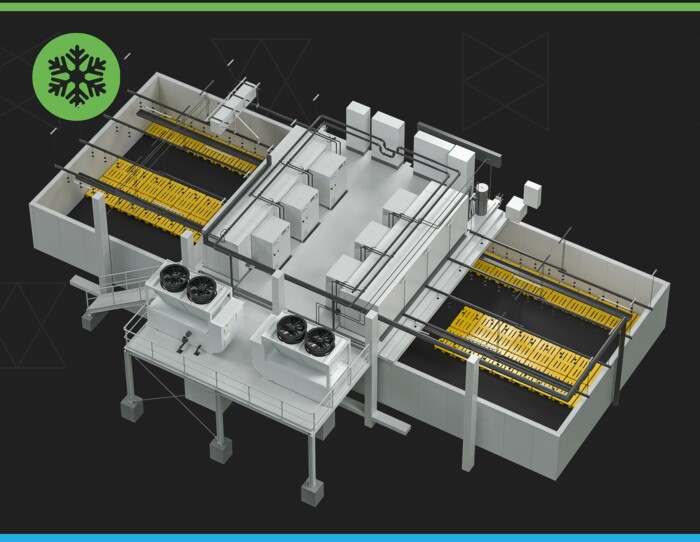
Recipharm freezer cell

Freezer cells in pharmacy: how they work and what they are used for

Freezer cold rooms play an essential role in the pharmaceutical industry by enabling the storage of medicines and vaccines as well as being used in research and development. These specialised cold rooms provide precise temperature control and stability to ensure the efficacy and safety of pharmaceutical products.

What are freezer cells?

Freezer cells are special deep-freeze storage units designed to maintain an extremely low temperature environment. These cells are usually equipped with technological aspects and mechanisms that can ensure a constant temperature of -20 degrees Celsius or even lower. The use of deep-freeze cells is essential in various areas of industry, including pharmaceutical warehouses for the long-term storage of medicines and vaccines as well as the implementation of research projects.


Definition and function of deep-freeze cells:

Freezers are specialised cold rooms designed to maintain a low temperature environment. They play a crucial role in the storage of pharmaceutical products where constant and strict refrigeration is required. By maintaining a stable and extremely low temperature, the cold rooms can preserve the quality and efficacy of the stored product in the freezer room. The function of freezer rooms is to create an optimal environment for the storage of sensitive pharmaceutical products. By maintaining a constant low temperature, the freezer rooms can prevent the products from spoiling or losing their effectiveness. This is particularly important for medicines and vaccines, as their effectiveness depends heavily on correct storage. The freezers are equipped with various technological aspects that also affect their design in order to maintain the desired temperature. These include refrigeration machines, insulation materials and temperature control systems. These mechanisms work together to create a stable and low temperature environment suitable for the storage of pharmaceutical products.</p

High-performance cold storage cells

There are different types of freezer cabinets that can be used depending on specific requirements. The most common include walk-in freezers, portable freezers and chest freezers. Each type of freezer differs in terms of its design, capacity, space requirements and mobility. The choice depends on the individual needs of the pharmaceutical company.

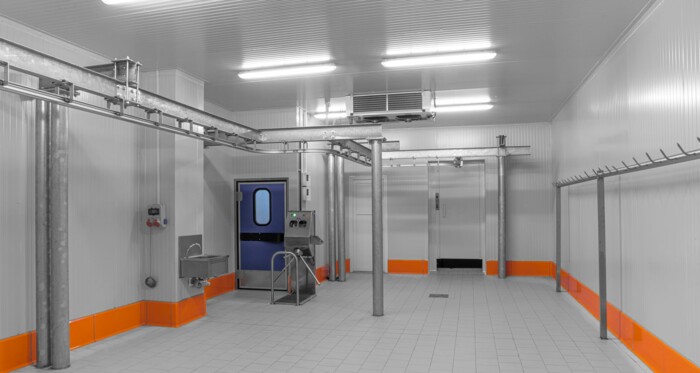
Walk-in freezers are larger cold rooms that offer large storage space to store a large quantity of pharmaceutical products. They are usually found in pharmacies or pharmaceutical companies that need to store a variety of medicines and vaccines. These freezers are often equipped with shelves and storage areas to allow for efficient organisation of products.

Portable freezers are smaller freezers designed for the transport of pharmaceutical products. They are ideal for use in medical emergencies or when delivering vaccines to remote areas. These freezer containers are usually equipped with insulated walls and an efficient cooling system to keep the products at the right temperature during transport.

Freezers are compact freezers that are often found in doctors' surgeries or small pharmacies. They offer limited storage capacity, but are ideal for storing medicines that are used frequently. These chest freezers are usually easy to use and offer a quick and convenient way to access the products you need.

Walk-in freezer
Walk-in freezer

The role of deep-freeze cells in pharmacy

Freezer cells play a crucial role in the pharmaceutical industry, especially in the storage of medicines and vaccines. Here are some important aspects that illustrate the importance of freezer cells:

Storage of medicines and vaccines:

The storage of medicines and vaccines requires precise temperature control in order to maintain the effectiveness of the products. By using freezers, pharmaceutical companies can ensure that their medicines and vaccines are stored in optimal conditions. This is particularly important as many drugs require a low temperature to keep their chemical properties and therapeutic effects intact.

Application in research and development:

<p

Freezer cells also play an essential role in pharmaceutical research and development. They allow samples and reagents to be stored at low temperatures to ensure their stability and shelf life. This is crucial when carrying out experiments and analytical procedures where constant cooling is required.


Deep-freeze cell for storing pharmaceutical products
Christian Berger

CSL Behring

Christian Berger · Global Director - Process and Technology Owner for Aseptic & Sterility

Refolution supported me in the technical verification of design and dimensioning of a Natural Refrigerant Cooling System for a new Freeze Dryer system.
I was very happy with the immediate support and competence of the Refolution Team. Thanks for your help.
Oliver Fleischer

HOF Sonderanlagenbau GmbH

Oliver Fleischer · Head of Service / Head of development - refrigeration technology department

With Refolution, the future of sustainability succeeds, coupled with efficiency and foresight.
The professional for the future.

Advantages and challenges of using deep-freeze cells in pharmacy

The use of deep-freeze cells in pharmacy offers many advantages, but also poses some challenges. Here are some important aspects:

Improving drug safety and efficiency:

Freezer cells help to improve drug safety and efficiency by ensuring optimal storage. By maintaining the required temperature conditions, pharmaceutical companies can preserve the efficacy and quality of their products while ensuring consumer safety.

Challenges and solutions in storage and transport:

Storage and transport of frozen products is a challenge as constant refrigeration is required. This requires special packaging materials and methods to ensure temperature stability during transport. By using advanced packaging solutions, pharmaceutical companies can overcome these challenges and ensure optimal quality of their products.

Future trends and developments in deep-freeze rooms

The use of deep-freeze cells in pharmaceuticals is expected to continue to benefit from innovative technologies and developments. Here are some future trends that could shape the pharmaceutical industry:

Innovations in freezer technology:

Frozen food technology will continue to evolve to offer even more efficient and environmentally friendly solutions. Advances in refrigeration technology and materials may lead to improved freezer cells that allow for more precise temperature control and stability.

Implications for the global pharmaceutical industry:

<p

The use of freezer cells is already having a significant impact on the global pharmaceutical industry. By efficiently storing and preserving medicines and vaccines, pharmaceutical companies can increase their productivity and reliability. This contributes to the improvement of global healthcare and enables the development of new therapeutic options.
In general, deep-freeze cells play a crucial role in the pharmaceutical industry by enabling the storage of drugs and vaccines and by being used in research and development. Thanks to their precise temperature control and stability, they help to improve drug safety and efficiency. Future innovations in freezer technology are expected to further transform the pharmaceutical industry and improve global healthcare.

3D model of a deep-freeze cell

Here you will find suitable products for your cryogenic storage

Suitable services

Here you will find suitable technical information on pharmaceutical logistics

Cornelia Schröder
Cornelia Schröder
Assistant to the management