Close-up of lipids

Your application Lipid production

The production of lipids is an important process in the food and pharmaceutical industries, where they are produced in various forms. Lipids are essential fat molecules that play an important role in many biological functions. They are obtained from natural sources such as plant oils, animal fats or microorganisms or are also synthetically produced to achieve specific properties. The first step in lipid production is extraction. This can be done using various techniques such as pressing, solvent extraction or enzymatic processes.

After extraction, the lipids are purified and impurities are removed to ensure high purity. This can be achieved by various methods such as filtration, centrifugation or chromatographic separation. The lipids are then further processed to bring them into the desired form. This may involve converting liquid lipids into solid forms by crystallisation or producing emulsions or dispersions. The lipids can also be chemically modified to improve certain properties such as stability, texture or solubility. Lipid production in the food industry plays an important role in the development of foods with specific properties such as flavour, consistency and shelf life. Lipids are used in a wide range of products. These include baked goods, snacks, margarines, chocolate and ice cream. For the pharmaceutical industry, lipids are used in the manufacture of pharmaceuticals, in particular for the formulation of liposomal drugs or to improve the bioavailability of active ingredients. Lipid-based carrier systems enable the targeted and controlled release of drugs in the body. Lipids are also used in the cosmetics industry, where they are used in skin care products, lipsticks and hair care products. Lipids can improve the skin barrier, moisturise and help protect against environmental influences. The production of lipids requires careful control of process parameters to ensure consistent lipid quality and composition. This includes monitoring temperature, pressure and other factors during processing as well as quality control through analytical methods such as chromatographic techniques or fatty acid profile analyses.

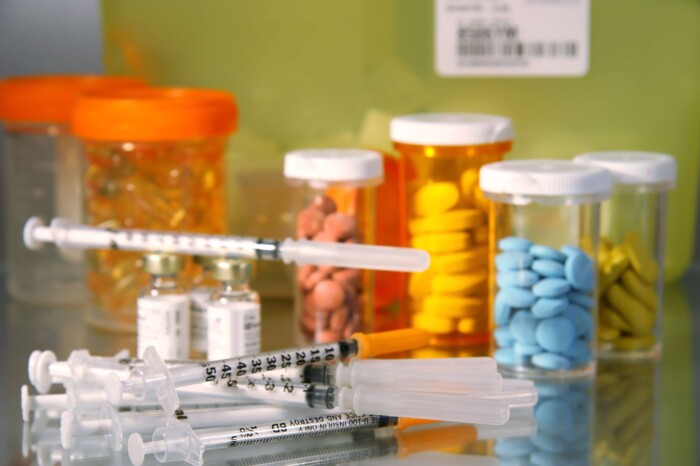
What are lipids in the pharmaceutical industry?

Lipids are a diverse group of organic compounds that play an important role in the pharmaceutical industry. They are also often referred to as fats. Lipids are used in both drug manufacturing and drug formulation to improve the efficacy and bioavailability of drugs. In addition, lipids serve as carriers for drugs and play a crucial role in the transport and action of drugs. In this article, we will take a closer look at what lipids are and how they are used in the pharmaceutical industry.

Lipids
Lipids

What are lipids?

To understand what lipids are, it is important to look at their definition and classification. Lipids are fat-like molecules consisting of hydroxyl groups and fatty acids. They are hydrophobic, which means that they are not readily soluble in water. Lipids can be divided into different categories, including triglycerides, phospholipids and steroids. Each of these categories has its own structural characteristics and functions.

<p

The structure of lipids varies depending on the category. Triglycerides consist of three fatty acids and a glycerol molecule. They serve as energy stores in the body and are stored in fatty tissue. Phospholipids consist of a phosphoric acid molecule, two fatty acids and an alcohol. They are an important component of cell membranes and are responsible for their structural integrity. Steroids have a different structure and include hormones such as cortisol and testosterone.

Different types of lipids

The different types of lipids have different functions in the pharmaceutical industry. Triglycerides are often used as the main ingredient for lipophilic drugs. They serve as carriers to increase the solubility of lipophilic active ingredients. Phospholipids, on the other hand, are used to produce liposomes that can be used as active ingredient carriers. Steroids are used in the pharmaceutical industry for the production of hormone preparations. However, lipids not only play an important role in the pharmaceutical industry, but also in nutrition. Triglycerides are an important source of energy in the diet. They are broken down in the body and provide energy for various metabolic processes. Phospholipids are also contained in food and play an important role in the absorption of fat-soluble vitamins. They help with the digestion and absorption of these vitamins in the intestine. Another important aspect of lipids is their role as structural components of cells. Phospholipids form the double lipid layer of cell membranes and ensure their flexibility and permeability. They enable the transport of molecules in and out of the cell and are therefore essential for cell metabolism. Steroids also play an important role in the transmission of signals between cells. They can act as hormones and regulate various physiological processes in the body. It is fascinating how diverse the functions of lipids are and how they play a role in different areas of life. Whether in nutrition, the pharmaceutical industry or in biological processes - lipids are indispensable and deserve our attention.

The role of lipids in pharmacy

Lipids play an important role in pharmacy, especially in drug production and formulation.
Lipids are a class of molecules consisting of fatty acids and other components. They are involved in many biological processes and have various functions in the body. In pharmacy, lipids are used specifically to improve the efficacy and stability of drugs
Lipids are used in drug manufacturing to improve the solubility of active ingredients. Lipid-based formulations enable increased bioavailability of lipophilic active ingredients that would otherwise be poorly soluble in water. This is particularly important for drugs that are taken orally.
One example of the use of lipids in drug manufacturing is the development of liposomal drugs. Liposomes are small vesicles that consist of lipid molecules and can encapsulate active ingredients inside them. By encapsulating them in liposomes, lipophilic active ingredients can be released into the body in a targeted manner, which increases their effectiveness.
Lipids can also serve as carriers for active ingredients. Lipid-based carrier systems enable a controlled release of active ingredients in the body and thus improve their therapeutic effect.

Lipids in pharmaceuticals

What are lipids in the pharmaceutical industry

Lipids are also used in drug formulations to improve the stability of active ingredients. Lipid emulsions can help to protect active ingredients from oxidative degradation and extend their shelf life. In addition, lipophilic active ingredients can be encapsulated in liposomes to enable their targeted release in the body. Another area of application for lipids in drug formulation is the production of transdermal patches. These patches contain lipophilic active ingredients that enter the body through the skin and exert their effect there. The lipids in the patches help to ensure a controlled release of the active ingredients. To summarise, it can be said that lipids play an important role in pharmaceuticals. They are used both in drug manufacture and in drug formulation to improve the efficacy, solubility and stability of active ingredients. The targeted use of lipids makes it possible to design drugs more effectively and efficiently and thus improve patient care.

<p

Lipids and drug transport

Lipids are also used in drug formulations to improve the stability of active ingredients. Lipid emulsions can help to protect active ingredients from oxidative degradation and extend their shelf life. In addition, lipophilic active ingredients can be encapsulated in liposomes to enable their targeted release in the body.
Another area of application for lipids in drug formulation is the production of transdermal patches. These patches contain lipophilic active ingredients that enter the body through the skin and exert their effect there. The lipids in the patches help to ensure a controlled release of the active ingredients.
To summarise, lipids play an important role in pharmaceuticals. They are used both in drug manufacture and in drug formulation to improve the efficacy, solubility and stability of active ingredients. The targeted use of lipids makes it possible to design drugs more effectively and efficiently and thus improve patient care.

Drugs made from lipids

Challenges and solutions in dealing with lipids

Another important role of lipids in the pharmaceutical industry is the transport of drugs in the body.
Lipids serve as carriers for drugs, especially for lipophilic active ingredients. By forming lipid emulsions or liposomes, lipophilic active ingredients can be transported and distributed in the body more efficiently. This enables targeted release and improves the bioavailability of drugs.
Lipids can also improve the absorption of drugs in the body. Lipophilic active ingredients can better pass through the lipid layer of cell membranes and thus be absorbed more efficiently into the bloodstream. This is particularly important for oral drugs.
Lipids play an important role in the effect of drugs in the body.
Lipids have a significant influence on the bioavailability of drugs. By using lipid-based formulations, lipophilic active ingredients can be better absorbed by the body and develop their full effect.
Lipids can also be directly involved in the mechanisms of action of drugs. Some active ingredients act by interacting with lipids in the cell membranes or affect the lipid composition of certain tissues. This can have an impact on the signalling pathways and the function of cells.

Matching products

HOF-CryoBlizzard central cooling system for freeze-drying

HOF-CryoBlizzard central cooling system for freeze-drying

Centralised refrigeration system for freeze dryers with air as refrigerant - stable process, high efficiency and integrated charging storage for low operating costs.
Read more
CryoStorageCustom cryogenic storage -30 °C to -160 °C

CryoStorageCustom cryogenic storage -30 °C to -160 °C

Modular low-temperature storage system from -30 °C to -160 °C - scalable, energy-efficient and with reliable monitoring for safe long-term storage.
Read more
Fully automated high-density storage

Fully automated high-density storage

Fully automated high-density storage system at -80 °C - maximum sample density in a small area with robotic removal and significantly reduced energy consumption.
Read more
HOF-FTU Blood plasma freezer

HOF-FTU Blood plasma freezer

Compact blood plasma freezer with integrated refrigeration technology - fast, uniform freezing with a minimal footprint and high process reliability.
Read more
PharmaBlastFreeze

PharmaBlastFreeze

Blast freezer for GMP rapid freezing processes - high freezing capacity in a small space, reproducible results and energy-efficient operation.
Read more
RefoBlast

RefoBlast

Ultra-compact rapid freezer for blood plasma bags and bottles - controlled to -25 °C core temperature, efficient and with natural refrigerant.
Read more
Reactor cooling with the Mirai Intex MX machine

Reactor cooling with the Mirai Intex MX machine

Precise reactor cooling for chemicals, pharmaceuticals and biotech - dynamically controllable, reliably tempered and designed for demanding ultra-low temperatures.
Read more
Refosteel -80°C steel hardening plant

Refosteel -80°C steel hardening plant

Low-temperature hardening at -80 °C to improve material properties - precise, robust, reliable.
Read more
HOF-CryoProPhase cryocondensation for exhaust air purification & recycling

HOF-CryoProPhase cryocondensation for exhaust air purification & recycling

Cryo-condensation for exhaust air purification with solvent recovery - highly efficient VOC reduction through cryogenic cooling using air as a natural refrigerant.
Read more
CRYOCARGO110 Low-temperature trailer -40 °C to -110 °C

CRYOCARGO110 Low-temperature trailer -40 °C to -110 °C

Our low-temperature trailer for your emergency storage capacity and goods transport of demanding products.
Including 24/7 service hotline.
Read more
BioArc Ultra - -80°C Automated sample storage system

BioArc Ultra - -80°C Automated sample storage system

Automated -80 °C sample storage for biobanking - high-density storage with robotics and air-cycle refrigeration technology for maximum capacity with low energy requirements.
Read more
ULT 25 Mobile low temperature container -30 °C to -110 °C

ULT 25 Mobile low temperature container -30 °C to -110 °C

Mobile ULT container from -30 °C to -110 °C - fast deployment for distribution, low energy requirements and optional monitoring for a safe cold chain.
Read more
Cold and heat coupling with waste heat utilisation

Cold and heat coupling with waste heat utilisation

Utilises waste heat from refrigeration systems for processes or heating - increases overall efficiency and permanently reduces energy and CO₂ costs.
Read more
COOLINN whole-body cold chamber -115 °

COOLINN whole-body cold chamber -115 °

Whole-body refrigeration chamber down to -115 °C with natural refrigerants - high temperature homogeneity, environmentally friendly operation and reliable performance…
Read more

Neo Luna

Read more

Our services

Information on

Cornelia Schröder
Cornelia Schröder
Assistant to the management